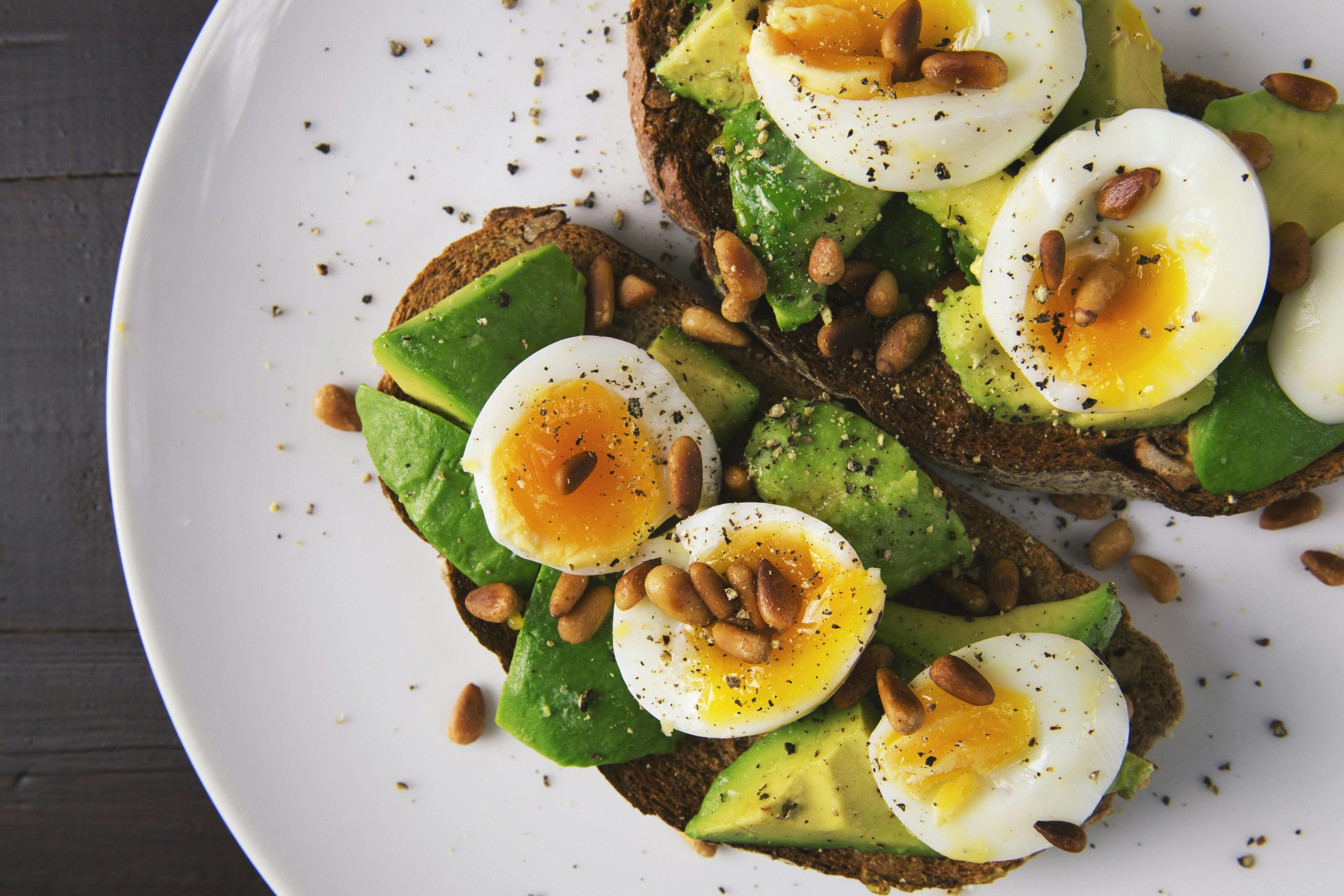
Unveiling the Truth: Nutrition Myths Debunked
In the sprawling world of nutrition and health, misinformation can spread faster than a wildfire. With new diets, superfoods, and health trends constantly appearing, it can be challenging to discern nutritional truth from fiction. Today, we are diving into the realm of clarity with our series “Unveiling the Truth: Nutrition Myths Debunked.” We aim to clear up some of the most common misconceptions circulating in health circles, ensuring you’re equipped with the right information to make informed dietary choices.
1. Myth: Carbs are your enemy
One of the most pervasive nutrition myths is that carbohydrates are inherently bad for you. The truth is, carbohydrates are a primary energy source for the body. The key is to differentiate between simple carbs, like those in sugary treats, which can spike your blood sugar levels, and complex carbs, such as those found in whole grains and vegetables, which provide sustained energy. So, rather than avoiding carbs altogether, focus on selecting healthier options.
2. Myth: Fat makes you fat
The fat-free craze of the 90s has left lingering effects, with many still believing that eating fat leads directly to weight gain. In reality, fats are essential for nutrient absorption, nerve transmission, and maintaining cell integrity. The trick is to prioritize healthy fats from sources like avocados, nuts, and olive oil, while limiting saturated and trans fats.
3. Myth: High-protein diets are best for weight loss
While protein is crucial for muscle repair and growth, an excess can be problematic. High-protein diets often restrict other vital nutrients, leading to potential health issues like kidney strain and calcium loss. A balanced diet accommodating all macronutrients — carbohydrates, fats, and protein — is crucial for optimal health.
4. Myth: Dairy is necessary for healthy bones
Dairy products are renowned for their calcium content, a key component for bone health. However, many believe that dairy is the only source of calcium. This is not the case, as many alternatives like leafy green vegetables, fortified plant milks, and almonds also offer ample calcium. Plus, factors like vitamin D and magnesium are equally important for bone health.
5. Myth: You must drink eight glasses of water daily
Water intake needs can vary widely depending on age, activity level, climate, and individual health. While staying hydrated is critical, the eight-glasses-a-day rule is not a one-size-fits-all. Listen to your body and drink when you’re thirsty. Remember, fruits and vegetables also contribute to your hydration needs.
FAQs: Unveiling the Truth: Nutrition Myths Debunked
Q: Are superfoods worth the hype?
While so-called “superfoods” are often nutrient-rich, no single food holds the key to good health or disease prevention. A balanced diet consisting of a variety of nutrients will always triumph over reliance on specific foods.
Q: Is snacking unhealthy?
Snacking isn’t inherently unhealthy; it all depends on what you choose to snack on. Healthy options like fruits, nuts, and yogurt can contribute to your nutrient intake and help manage hunger between meals.
Q: Can you skip meals to lose weight?
Skipping meals is not a recommended weight loss strategy. It can disrupt your metabolism and lead to overeating later. A better approach is regular, balanced meals to maintain energy and control hunger.
Q: Are plant-based diets lacking in protein?
Plant-based diets can provide sufficient protein, provided they include a variety of protein sources such as beans, lentils, tofu, and quinoa. Balancing these sources throughout the day ensures adequate intake of essential amino acids.
Q: Is gluten harmful?
Gluten is only harmful if you have celiac disease or a gluten intolerance. For the majority of the population, gluten poses no health risks and should not be avoided.
Conclusion
“Unveiling the Truth: Nutrition Myths Debunked” serves as your guide in the saturated landscape of dietary do’s and don’ts. Remember, nutrition is not one-size-fits-all, and understanding the detailed nuances of your personal dietary needs can be empowering. Before adapting to any new diet or nutrition trend, consider your unique health circumstances and consult with healthcare professionals if necessary. By staying informed and skeptical about sensationalized nutrition trends, we can make better choices that pave the way to genuine health and wellbeing. Let’s keep busting myths and nurturing our bodies wisely!