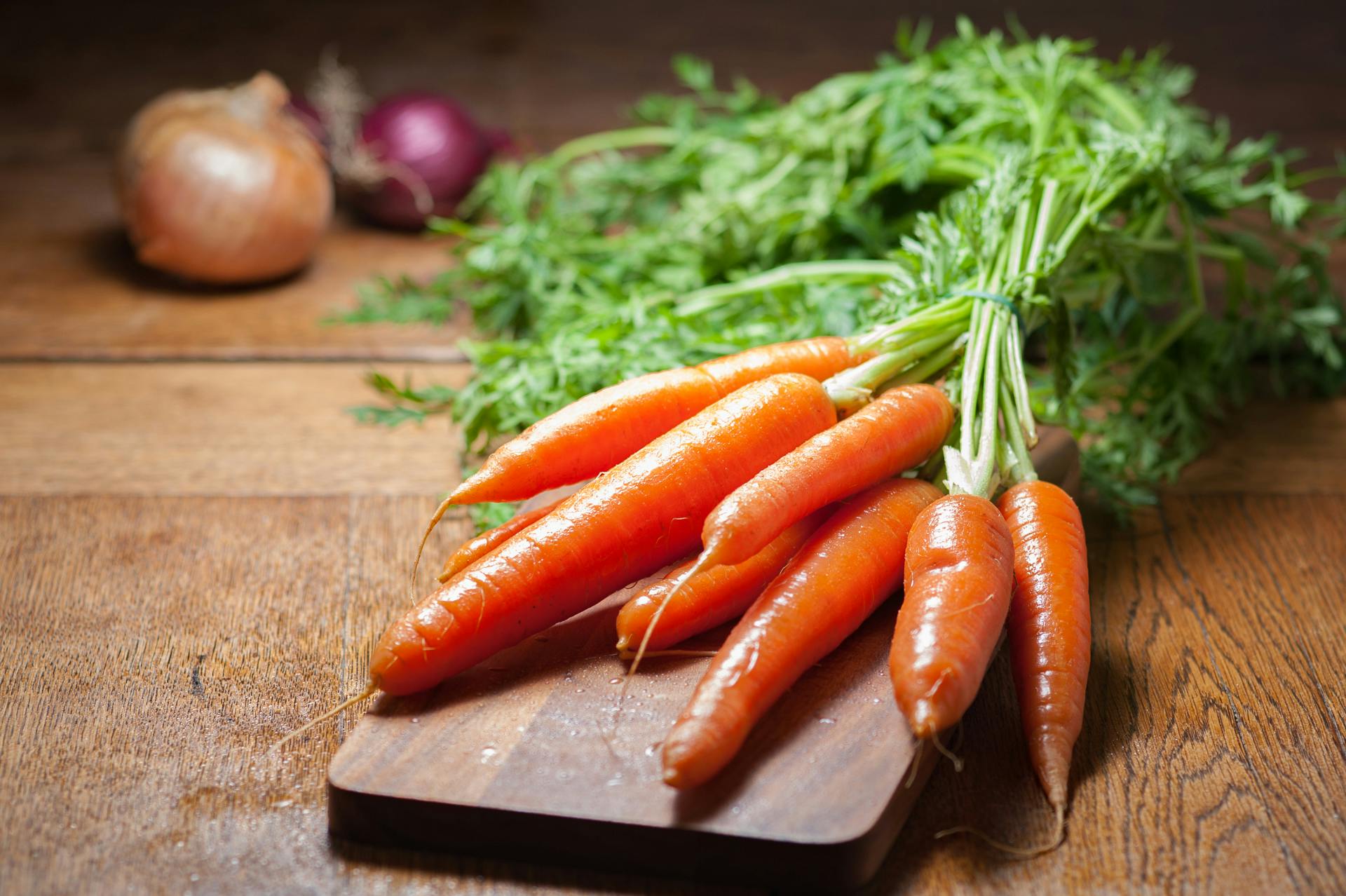
Do Carrots Really Improve Eyesight? Debunking the Myth
As you walk through the grocery aisle, you might wonder if nibbling on carrots can actually gift you the eyes of a hawk. The belief that carrots improve eyesight has been carrot-and-sticked to us since childhood. But is there any truth to this popular lore? Let’s delve into this root question: Do carrots really improve eyesight, or is it just a myth?
Introduction to the Carrot and Eyesight Saga
Carrots, those crunchy, sweet, and delightful root vegetables, are famed not just for their taste but also for their supposed supernatural power to enhance night vision. This belief isn’t just a product of modern-day health trends but has historic underpinnings tied to World War II propaganda. The British Royal Air Force claimed that their pilots enjoyed a feast of carrots, which improved their night vision, helping them to perform better during nocturnal missions. However, this was a strategic move to mask the real secret behind the Allies’ improved night missions – the use of radar technologies.
Despite its origin in a wartime myth, the idea has taken root, and many still believe in the carrot’s vision-enhancing properties today. But what does science say about this? Let’s peel back the layers.
The Nutritional Backing: Beta-Carotene and Vitamin A
Carrots are rich in beta-carotene, a type of vitamin A that plays an essential role in maintaining healthy vision. Vitamin A is crucial for forming rhodopsin, a protein in the eyes that allows you to see in low light conditions. Without sufficient vitamin A, people can experience a range of vision disturbances, including night blindness.
So, in the technical sense, carrots do contribute key nutrients that are vital for maintaining good eyesight. However, the miraculous vision-boosting ability of carrots is often overstated. Consuming carrots will not give you superhuman eyesight or correct vision impairments like myopia (nearsightedness) or hyperopia (farsightedness). Instead, carrots help maintain normal vision and prevent vision decline due to vitamin A deficiency.
Beyond Just Carrots: Other Vital Nutrients for Eye Health
While carrots deserve applause for their role in a vision-friendly diet, they are not the sole heroes. Other fruits and vegetables are also high in vitamins C and E, lutein, and zeaxanthin—nutrients that are protective against age-related macular degeneration and cataracts, two common causes of vision impairment and blindness. Foods such as leafy greens, sweet potatoes, and squash, as well as eggs, are also fantastic for eye health.
FAQs: What You Need to Know About Carrots and Eyesight
-
Can eating carrots improve my vision?
Eating carrots will not improve your vision if you already have normal levels of vitamin A. However, it can help maintain proper eye health and prevent vitamin A deficiency, which is essential for good night vision. -
How many carrots should I eat to help my eyesight?
Moderation is key! Eating one or two medium-sized carrots a day is sufficient to support eye health in combination with a balanced diet rich in a variety of vitamins and minerals. -
Are there any side effects of eating too many carrots?
Consuming an excessive amount of carrots can cause carotenemia, a harmless condition where the skin turns a slight orange tint due to high levels of beta-carotene in the blood. -
What other foods should I eat to maintain good eye health?
Incorporate foods rich in omega-3 fatty acids, zinc, and vitamins C and E to keep your vision sharp. These include citrus fruits, oily fish, almonds, and beans.
Conclusion: Clearing the Air on the Carrot and Vision Myth
In summary, while carrots hold substantial nutritional value and support maintaining healthy eyesight, they are not the magic solution for correcting existing vision problems. The myth that they improve eyesight is rooted more in wartime propaganda than scientific fact. However, they are an excellent addition to a diet aimed at keeping your eyes and body healthy.
So, next time you munch on a carrot, know that you’re doing something good for your eyes, even if you won’t exactly turn into a superhero with night-vision goggles. Pair those carrots with a variety of other fruits and vegetables to ensure a robust, eye-friendly diet that keeps your vision sharp and clear!