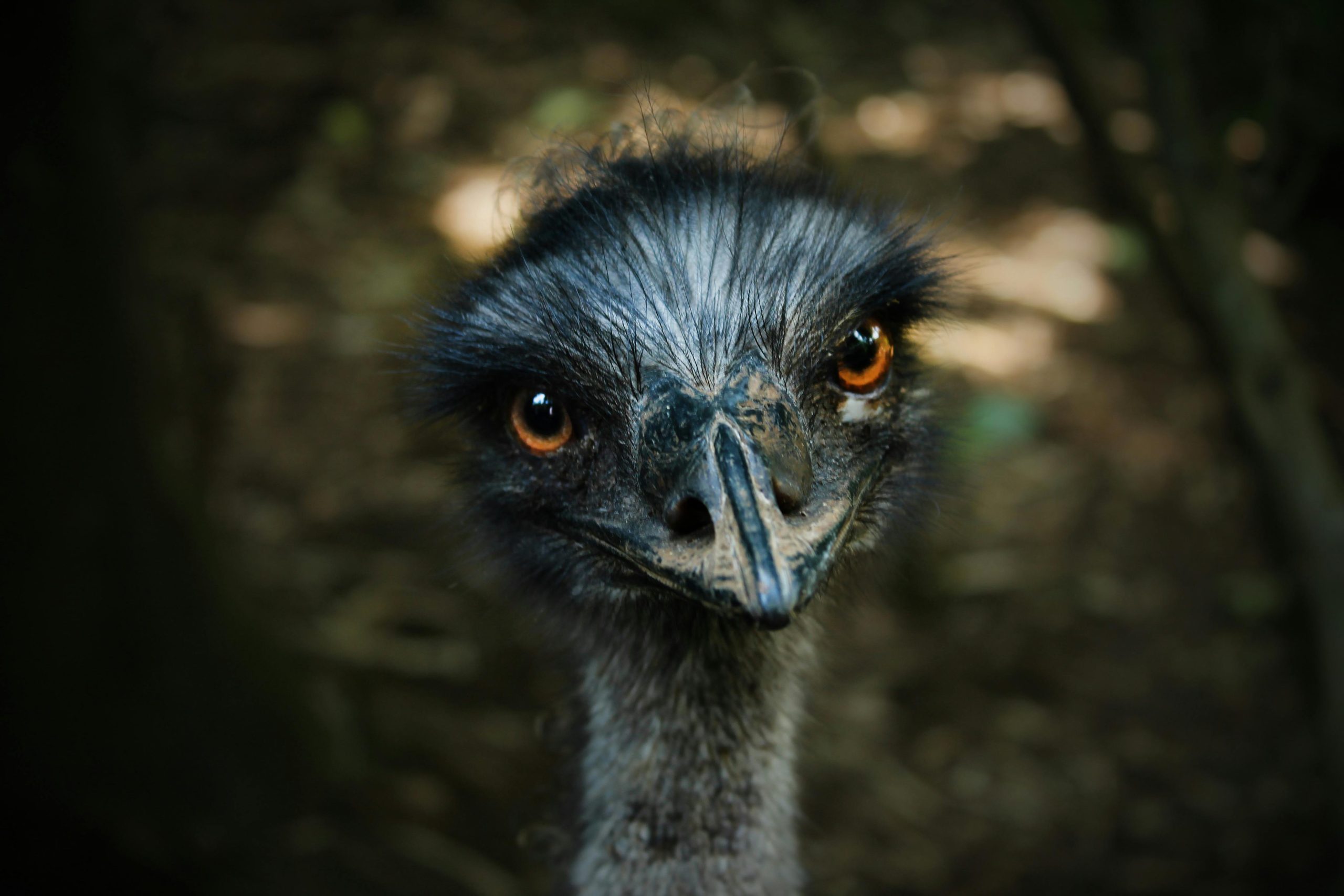
Debunking Myths: The Truth Behind Ostriches Burying Their Heads
When it comes to quirky animal behavior, few myths are as persistent or as amusing as the one concerning ostriches burying their heads in the sand. This tale has been circulated in drawings, cartoons, and stories for decades, painting a picture of these magnificent birds as the ultimate symbols of denial and avoidance. But is there any truth to this popular claim? In this article, we tackle the misconceptions head-on and explore what ostriches really do when faced with danger.
Introduction to a Common Misconception
Ostriches, recognized as the world’s largest and heaviest birds, are native to Africa and are renowned not only for their size but also for their unique, flightless nature and incredible speed on the ground. Despite their fascinating biology and adaptability, ostriches have often been the subject of a widespread myth: that they bury their heads in the sand when afraid or to avoid predators. Debunking myths: The truth behind ostriches burying their heads begins by understanding where this peculiar idea originated from and why it persists in popular culture.
The Origin of the Myth
Historians suggest that the misconception might date back to the Roman writer Pliny the Elder, who mentioned a similar behavior in ostrich-like birds in his natural history encyclopedias. However, his descriptions may have been misunderstood or exaggerated over time. This misunderstanding is aided by the ostrich’s actual behaviour of lowering their heads and lying flat on the ground when threatened. From a distance, especially against sandy terrain, it can appear as though the bird’s head is buried beneath the surface.
Debunking Myths: The Truth Behind Ostriches Burying Their Heads
Experts on bird behavior concur that no bird, including the ostrich, purposely buries its head in the sand—it would be a suffocating, fatal activity! The truth is considerably less dramatic but fascinating nonetheless. When an ostrich senses danger and cannot run away, its instinct might be to flop to the ground and remain still, with its neck and head stretched out flat in front of it on the sand. This posture minimizes its profile and can make the large bird seem like a mound of earth from a distance, thereby camouflaging it from potential threats.
Why The Myth Persists
The idea of ostriches burying their heads in sand is a powerful allegory used often in politics, business, and social contexts to describe individuals or groups avoiding unpleasant realities. Its symbolic resonance and the humorous visual have cemented this behavior in public consciousness, despite its inaccuracy. Like many myths, once it has a proverbial foot in the door of collective belief systems, it’s tough to dislodge.
FAQs About Ostrich Behavior
Q1: If ostriches don’t bury their heads, how do they protect themselves from predators?
A1: Ostriches have several defense mechanisms. They are incredibly fast runners, reaching speeds of up to 45 miles per hour, which helps them escape threats. In close quarters, they can deliver powerful kicks capable of injuring or killing a predator.
Q2: How good is an ostrich’s vision?
A2: Ostriches have excellent vision, which allows them to spot predators from great distances. Their large eyes provide broad, binocular vision and precise depth perception.
Q3: What do ostriches eat?
A3: Ostriches are omnivores, which means they eat a variety of plants, seeds, and insects. Occasionally, they also consume small vertebrates and invertebrates found in their habitat.
Conclusion: Embracing the Facts
Debunking myths: The truth behind ostriches burying their heads helps us understand these fascinating creatures better and appreciate the adaptations they have evolved to survive the challenges of their environment. The myth of the head-burying ostrich is nothing but a humorous illustration of avoidance, far removed from the reality of this incredible bird’s life. By dispelling this myth, we not only correct a common animal misconception but also gain greater respect for the natural world and its many wonders. Let’s put our heads up high, not in the sand, and seek the truth with the clear vision of an ostrich on the savannah.