Introduction
When it comes to myths about animals, few are as persistent as those surrounding bats. One common misconception that has prevailed for ages is the idea that bats are blind. In this article, “Debunking Myths: Are Bats Really Blind? Exploring the Truth Behind Common Misconceptions,” we’ll dive deep into the world of bats, armed with facts and science, to clear up this and other misconceptions about these fascinating creatures. Join us as we explore the real capabilities of bats and shed some light on the darkness surrounding their reputation.
The Myth: Bats are Blind
The saying “blind as a bat” is popular in English vernacular, used to describe anyone or anything that seems to be operating without visual aid. But how true is this when it comes to bats themselves?
The Reality: Bats Have Vision
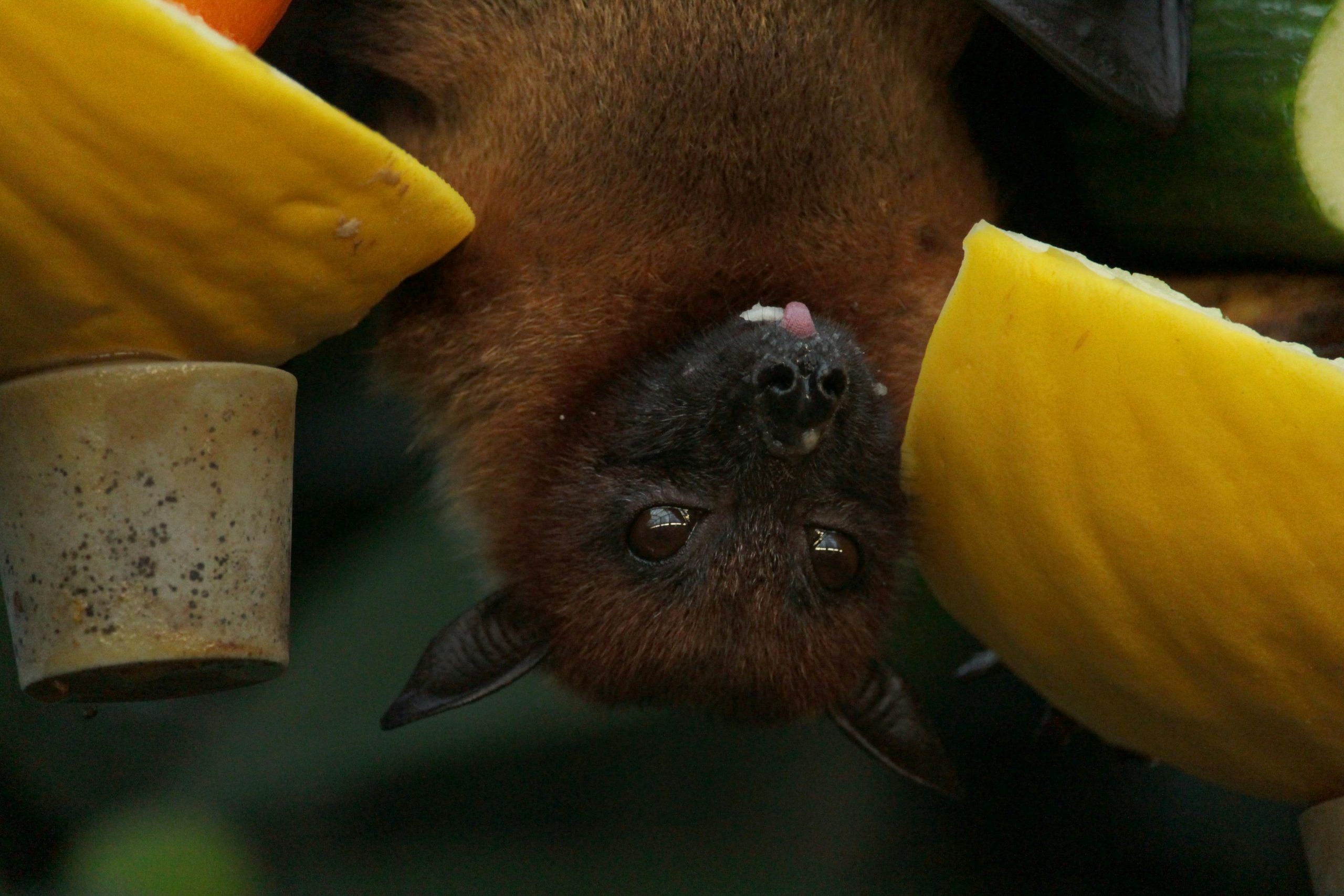
Contrary to the popular myth, bats are not blind. In fact, research shows that bats have perfectly adequate eyesight. Many bat species can see in color, and their eyes are well adapted to low-light conditions, which is an asset during dawn, dusk, or nighttime when they are most active.
However, the type and effectiveness of a bat’s vision can vary significantly between species. For example, fruit bats generally have excellent eyesight that they use during the daytime or in low-light conditions at dusk and dawn. Microbats, on the other hand, may not rely on their vision as heavily.
Echolocation: Bats’ Sonic Superpower
What sets bats apart from many other mammals is not a lack of vision but their specialized ability in echolocation. Echolocation is an advanced biological sonar system that enables bats to navigate and hunt effectively in complete darkness.
Here’s how it works: bats emit calls out to the environment and listen to the echoes of these calls that return from various objects near them. Based on how long it takes for the echoes to return and how they change in pitch or loudness, bats can determine the size, shape, and distance of objects around them. This remarkable ability allows them to detect obstacles as fine as a human hair in total darkness.
Common Questions about Bats and Vision
Q: Do all bats use echolocation?
No, not all bats use echolocation. The larger fruit bats, often referred to as flying foxes, mainly rely on their keen eyesight and sense of smell to locate food.
Q: Can bats see in color?
Yes, many bats can see in color. Their vision is adapted to their nocturnal lifestyle, meaning they can see colors in very low light. The exact colors they can see depends on the species.
Q: Are bats’ eyes adapted to their lifestyle?
Absolutely! Bats’ eyes are highly adapted to their nocturnal lifestyle. For instance, their retinas are rich in rod cells, which are more sensitive to light than the cone cells, which provide color vision and detail. This adaptation helps them to see in low-light conditions at night.
Debunking Other Myths about Bats
While we’re setting the record straight, it’s worth addressing a few more myths about bats:
- Bats are not dirty animals. They are quite clean and spend a significant amount of time grooming themselves.
- Bats are not inherently dangerous. While bats can carry diseases, they do not attack humans aggressively. It’s essential to maintain a safe distance, as with any wild animal.
- Not all bats have rabies. Although bats can carry rabies, it is extremely rare for humans to contract rabies from a bat due to limited interactions.
Conclusion: Clearing Up Bat Misconceptions
From their misunderstood vision to their unique echolocation capabilities, bats are truly remarkable creatures that play essential roles in ecosystems around the globe. In “Debunking Myths: Are Bats Really Blind? Exploring the Truth Behind Common Misconceptions,” we’ve learned that not only do bats have the ability to see, but they also possess extraordinary biological adaptations that allow them to thrive in their respective environments.
By demystifying these common myths, we can foster a greater appreciation for these incredible animals and promote conservation efforts to support their populations. Remember, knowledge is the light we need to illuminate the dark caves of ignorance and fear. Let’s continue learning about and advocating for bats, the mysterious but essential creatures of the night.