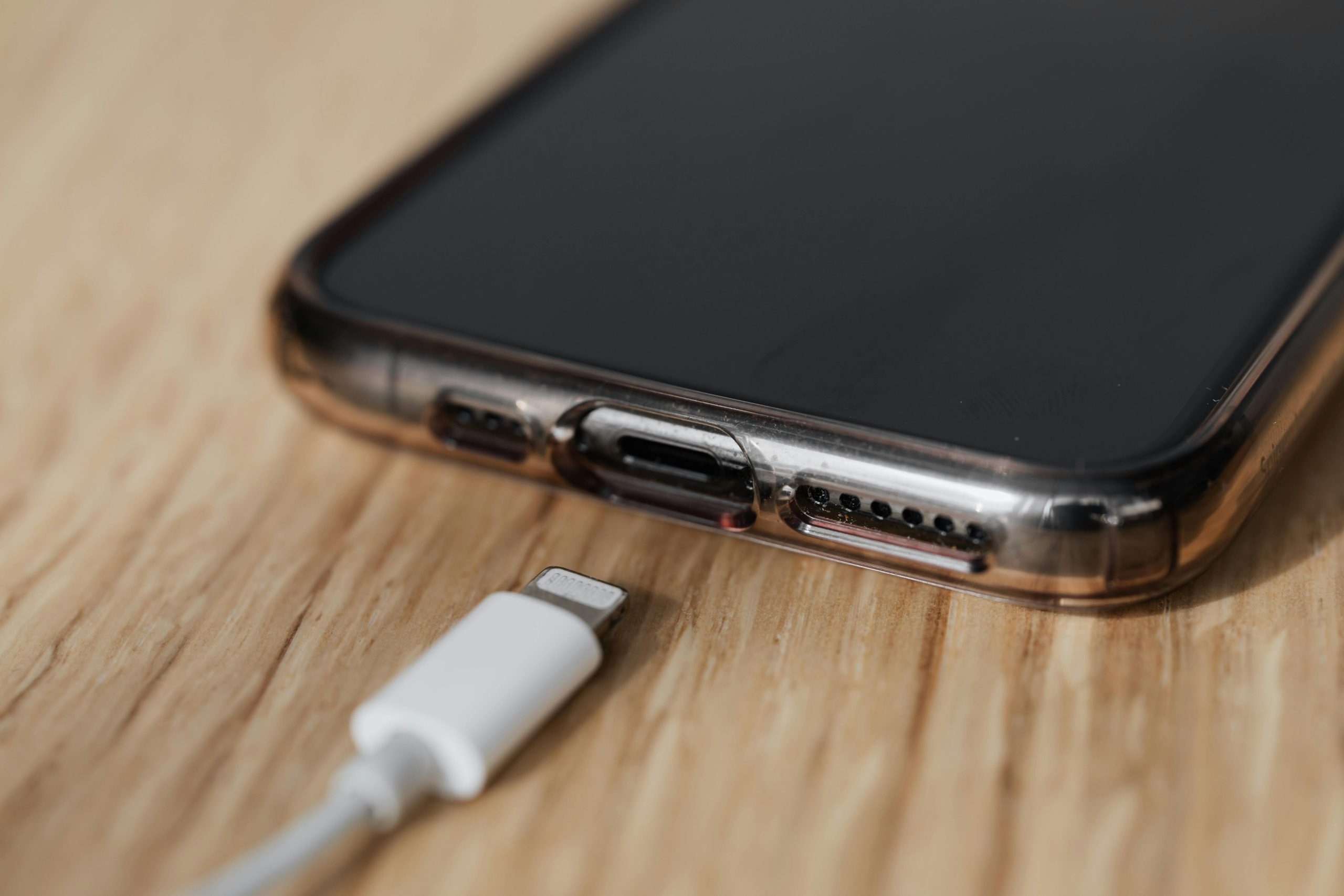
Debunking the Myth: Is Leaving Your Phone Plugged In Overnight Bad for Battery Health?
In today’s digital age, smartphones are more than just a communication tool. They are our pocket-sized personal assistants, helping us navigate our day, entertain us, and keep us connected. But as reliant as we are on these devices, there’s still a fair bit of confusion around proper charging practices, particularly around the idea of leaving your phone plugged in overnight. Is it damaging to the battery’s health? Let’s debunk the myth and settle the debate.
Understanding Modern Smartphone Batteries
Before diving into whether overnight charging harms your battery, it’s crucial to understand the batteries themselves. Most modern smartphones are equipped with lithium-ion batteries. These batteries are favored for their high energy density and ability to recharge quickly. However, they do have their quirks.
Lithium-ion batteries prefer a certain range of charge, typically between 20% and 80%. They have a finite number of charge cycles, which means every time you charge your phone from 0% to 100%, it counts as one cycle, wearing down the battery over time.
The Charging Process
When you plug in your smartphone, it uses a process called trickle charging to get to full capacity. Once it reaches 100%, modern smartphones are designed to stop charging and run directly off the power source. What does this mean for overnight charging? Technically, your phone isn’t continuously charging. Once full, it simply stops charging and maintains its level while using external power for any processes it needs to run, like updates or alarm clocks.
Debunking the Myth: Overnights and Your Battery Health
So, is leaving your phone plugged in overnight bad for battery health? Not necessarily. Thanks to advancements in technology, smartphones are smarter than ever. They contain chips that protect them from receiving excess electric charge once fully charged. Therefore, the act of leaving your phone plugged in overnight is not inherently harmful.
However, it is worth noting that the ambient temperature plays a significant role in battery health. Lithium-ion batteries are sensitive to heat, with excess heat potentially reducing battery lifespan. If your charging area is particularly warm, or if your phone case does not allow heat to dissipate (especially during fast charging), this could eventually impact battery health.
Moreover, while overnight charging isn’t immediately detrimental, it may contribute to battery wear over extended periods. Batteries naturally degrade from use, and keeping your battery at 100% (a high state of charge) for prolonged hours every night can slightly accelerate this degradation process.
Best Practices for Battery Health
To maximize the lifespan of your battery, consider the following tips:
- Avoid Extreme Temperatures: Keep your device out of hot cars, direct sunlight, or any area with excessive heat.
- Use Reliable Chargers: Stick to chargers from reliable suppliers, preferably the original manufacturer, to avoid potential overcharging.
- Charge Intermittently: If possible, keeping your battery between 20% and 80% can help preserve battery health.
- Update Your Software: Manufacturers often include battery performance improvements in software updates.
FAQ: Debunking the Myth
Q1: Does overnight charging cause my phone to overcharge?
A1: No, smartphones are equipped with chips that prevent overcharging by stopping the current once the battery is full.
Q2: Can I leave my phone plugged in at 100% for several hours?
A2: Yes, you can. It shouldn’t harm your battery dramatically, though it might slightly speed up the usual battery aging process.
Q3: Is it better to charge my phone intermittently or just charge it overnight?
A3: Intermittently charging your phone can be slightly better for the battery’s longevity, especially if maintained within the 20%-80% range.
Q4: Are fast chargers bad for my battery’s health?
A4: Fast chargers are generally safe as they adhere to the battery’s standard, but they might increase the temperature, which can affect battery life. Using them sparingly is advisable.
Conclusion
In summary, leaving your phone plugged in overnight isn’t as detrimental to battery health as some might fear—thanks to modern smartphone technology that regulates charging. However, if you want to optimize battery life and efficiency, consider managing charging habits and the environment your phone is exposed to. By understanding and adopting better charging practices, you ensure that your device keeps up with your demands day after day.