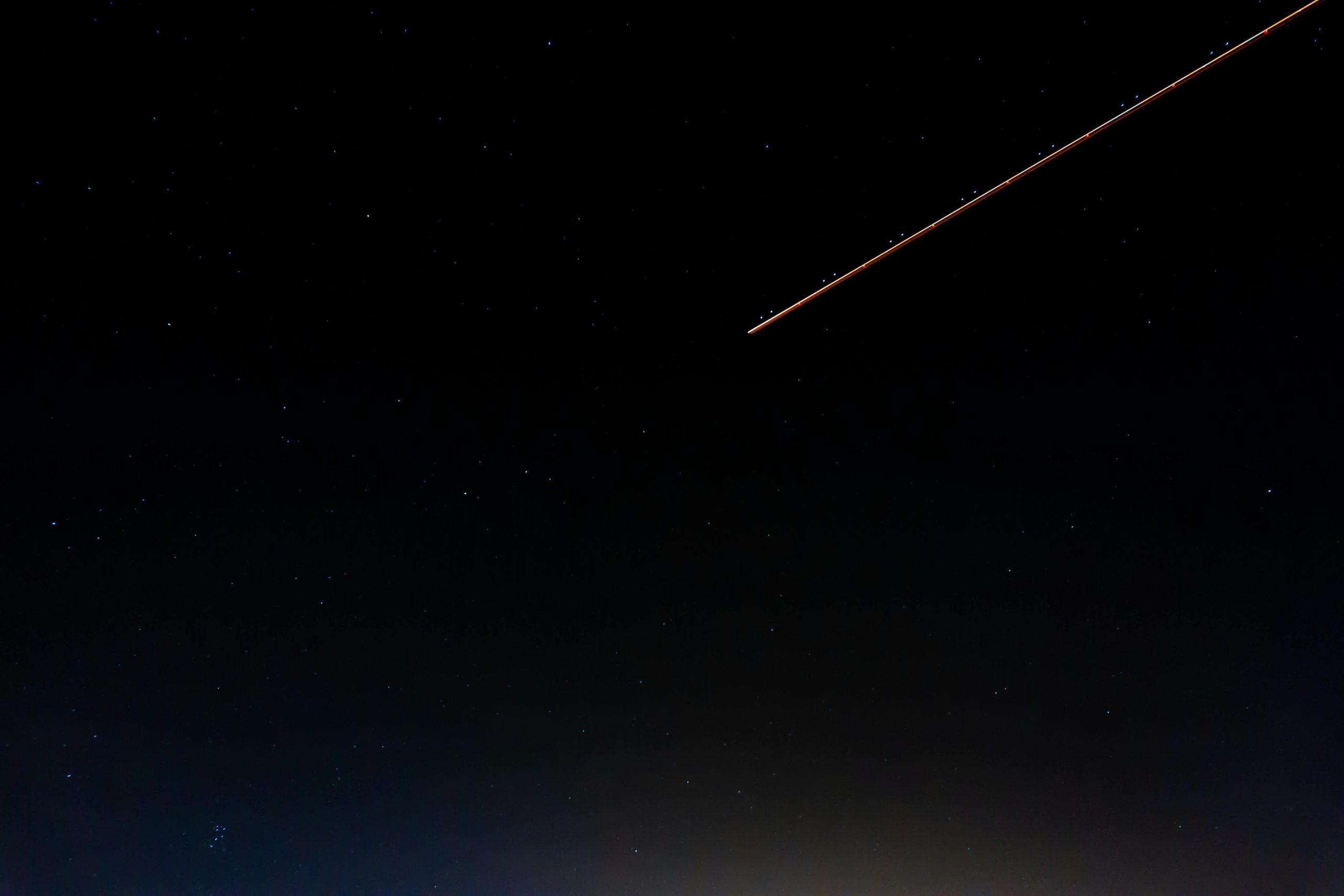
Debunking Common Astronomy Myths: Shooting Stars
The universe has always been a source of mystery and fascination. Over millennia, humans have looked up at the night sky and woven tales around the celestial phenomena they observed. However, as charming as these narratives are, many lack scientific accuracy. One such captivating but misunderstood marvel is the phenomenon of shooting stars. Let’s delve into the truths behind these brilliant streaks across the night sky in this article titled “Debunking Common Astronomy Myths: Shooting Stars.”
Introduction to Shooting Stars
First things first: despite their name, shooting stars are not stars at all! When you gaze up at the night sky and wish upon a “shooting star,” what you’re actually seeing is a meteor. Meteors are pieces of space debris—essentially, bits of rock and ice from asteroids or comets—that burn up as they enter the Earth’s atmosphere. The technical term for these streaks of light is “meteor,” and a meteoroid becomes a meteor the moment it starts to vaporize in the Earth’s atmosphere.
With that clear, let’s dive deeper into debunking more myths about these celestial sprinters.
Debunking the Myths
Myth 1: Shooting Stars are a Rare Phenomenon
Contrary to popular belief, shooting stars are not rare occurrences at all. Every night, the Earth’s atmosphere is bombarded by tons of space debris, resulting in numerous visible meteors. It is estimated that there are as many as 15 to 20 million meteors that enter the Earth’s atmosphere each day! However, the visibility of these meteors depends on factors such as light pollution, weather conditions, and the observer’s location.
Myth 2: Shooting Stars Come from Star Systems
As discussed earlier, shooting stars have nothing to do with actual stars. Stars are massive celestial bodies made primarily of hydrogen and helium, undergoing nuclear fusion to emit light and heat. Meteors, on the other hand, are just small fragments that originate from comets or asteroids. When comets come closer to the Sun, they heat up and release debris that eventually might encounter Earth’s atmosphere, appearing to us as “shooting stars.”
Myth 3: Shooting Stars Impact the Earth Frequently
While it’s true that meteorites—meteors that survive the atmosphere and reach the Earth’s surface—are a natural component of our planet’s history, the majority of meteors are vaporized completely in the atmosphere. Only a tiny fraction of the meteoroids make it to the ground, and even fewer are ever found. Those that do land are rarely dangerous, mostly falling in uninhabited areas or oceans.
FAQs on Shooting Stars
Q1: Can you predict when shooting stars will appear?
While specific predictions of when a meteor will streak through the sky are not possible due to their spontaneous nature, meteor showers are predictable events. These are times when the Earth passes through a comet’s orbital path, encountering an increased amount of debris.
Q2: Are shooting stars visible from anywhere on Earth?
Visibility can depend on several conditions including geographical location, time, weather, and surrounding light pollution. During certain meteor showers, however, people from various parts of the world can witness these events provided they are on the night side of Earth and have clear skies.
Q3: Can shooting stars be different colors?
Yes! The color of a meteor depends largely on its chemical composition and also on its temperature as it burns in the atmosphere. For instance, meteors rich in magnesium often appear green or blue, while those containing a lot of iron might glow yellow.
Q4: How fast do shooting stars travel?
Meteors can enter Earth’s atmosphere at speeds ranging from 11 kilometers per second to 72 kilometers per second—that’s up to about 160,000 miles per hour!
Conclusion
In “Debunking Common Astronomy Myths: Shooting Stars,” we’ve uncovered that these mesmerizing streaks of light are not celestial stars plunging from the heavens but are rather small cosmic debris lighting up due to their fiery entry into Earth’s atmosphere. By understanding what shooting stars truly are and dispelling the myths surrounding them, we can appreciate their beauty more deeply and enjoy our stargazing with an informed sense of wonder. Remember, shooting stars are a common yet captivating glimpse into the dynamic processes happening beyond our planet. So next time you catch sight of a meteor, take a moment to consider its cosmic origins and the vastness of the universe it has traveled through.