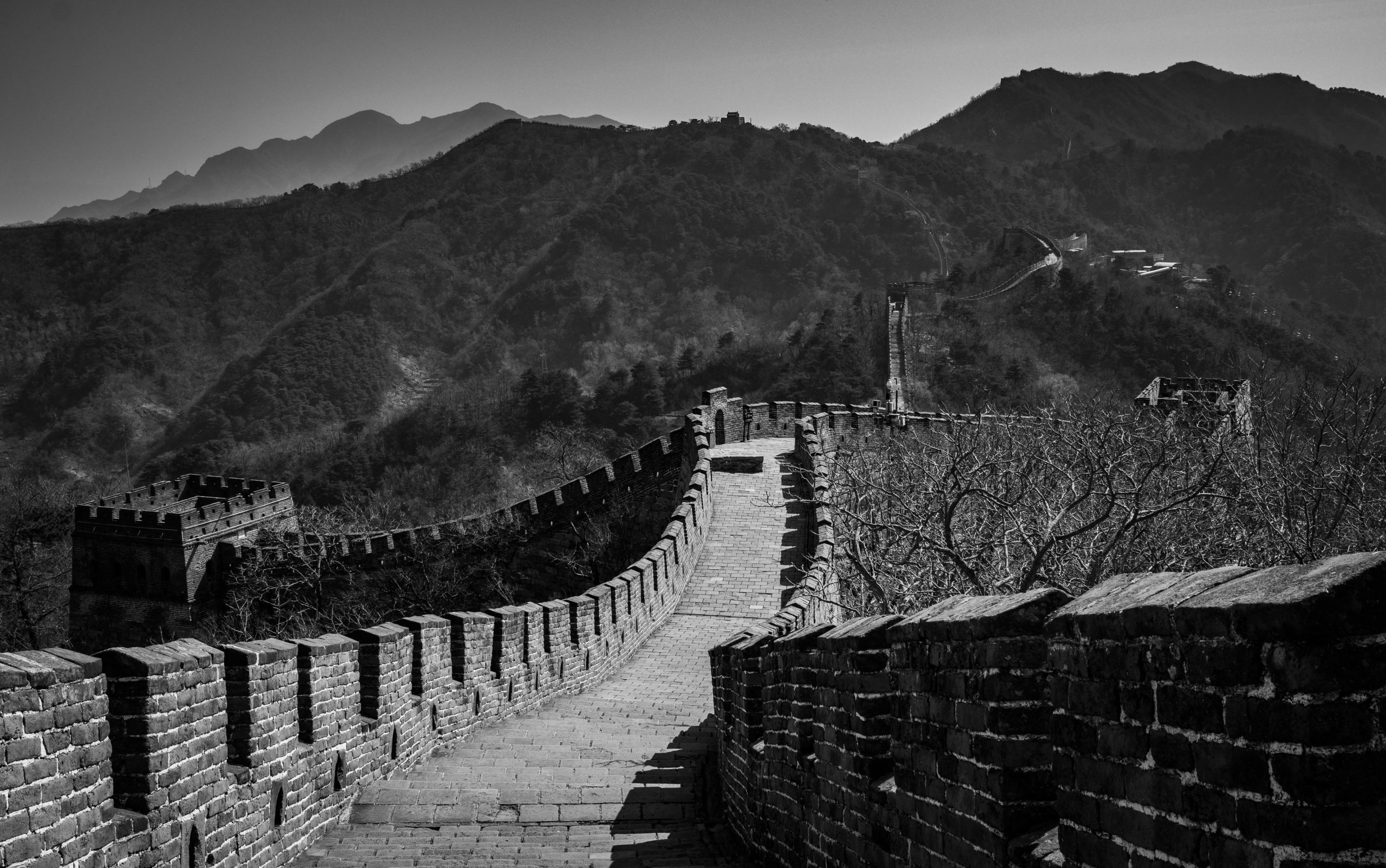
Debunking Myths: Is the Great Wall Visible from Space? Discover the Truth
For centuries, the Great Wall of China has stood not only as a symbol of remarkable engineering and fierce determination but also as the subject of one of the most popular myths in modern memory. There’s a widely held belief, often taught in classrooms and quoted by tour guides, that the Great Wall of China is the only man-made structure visible from space. Today, we dive into this claim to debunk myths and uncover the truth about what astronauts really see when gazing down at Earth. So, is the Great Wall visible from space? Let’s discover the truth together.
Introduction
Measuring over 13,000 miles in length and rich with historical significance, the Great Wall of China is undeniably one of the most famous landmarks in the world. Generated from a mixture of stone, brick, tamped earth, wood, and other materials, the wall traverses rugged terrain from east to west of China. Given its colossal size and connective span over various terrains, it’s easy to see why the myth of its visibility from space has persisted for so long.
Understanding the Myth
The origin of the myth can be difficult to pinpoint, but it seems to have been popularized during the 1930s. Richard Halliburton’s 1938 book “Second Book of Marvels” purports that the Great Wall is visible from the moon, which intensified people’s imagination and belief in its visibility from far distances in space.
What Do Astronauts Say?
Many astronauts, including those who have viewed the Earth from the International Space Station (ISS) – orbiting at about 250 miles above the Earth – have spoken about their experiences. Chinese astronaut Yang Liwei said in 2003 that he could not see the Great Wall from space. Similarly, American astronaut Gene Cernan, the last man to walk on the moon during NASA’s Apollo 17 mission, stated that the visual claim was a “myth” and that “at Earth orbit of 100 to 200 miles high, the Great Wall of China is, indeed, invisible.”
NASA astronaut Leroy Chiao snapped one of the few photos believed to capture the Great Wall from a lower Earth orbit under specific conditions: primarily significant snow coverage providing a stark contrast to the surrounding landscape. However, it’s important to note that it’s not typically visible to the naked eye and was only captured with specific camera equipment under unique environmental conditions.
Debunking the Myth: The Great Wall Visible from Space?
Given the testimonies from those who’ve actually been to space, it’s safe to debunk the myth that the Great Wall of China is visible from space with the naked eye. The primary reason is the color of the wall, which tends to blend naturally with the surrounding environment, making it less discernible from the vantage point of low Earth orbit. Additionally, atmospheric conditions, the angle of the sun, and the limited resolving power of the human eye further complicate its visibility.
Factors Affecting Space Visibility
-
Human Eye Limitations: The resolving power of the human eye restricts what can be seen from such a distance. For majority of man-made objects, including the Great Wall, to be visible from space, they need to be considerably larger and highly contrasting with their surroundings.
-
Environmental Conditions: For objects on Earth to be discernible from space, contrasting colors or specific environmental conditions are necessary. For example, snow cover might enhance visibility, as it did in the photograph captured by Leroy Chiao.
-
Orbital Position and Sunlight: The position of the orbit of spacecraft relative to the Earth’s surface also plays a critical role. The angle of sunlight can create shadows that might make certain structures temporarily visible, or conversely, wash them out entirely.
FAQs About the Great Wall and Space
Q: Can you see the Great Wall of China from the moon?
A: No, the Great Wall is not visible from the moon. This spans a much greater distance, and no man-made structure on Earth is visible at such a vast distance.
Q: Are there any man-made structures visible from space?
A: Yes, certain urban areas, major highways, bridges, dams, and airports are typically visible from low Earth orbit, particularly at night due to the lighting.
Q: Has this myth impacted the cultural significance of the Great Wall?
A: While the myth itself might enhance its mystery and allure, the Great Wall of China does not need such myths to cement its status as a marvel of human accomplishment and a renowned historical landmark.
Conclusion
While the idea that the Great Wall of China is visible from space might add a layer of mystique and wonder to this ancient structure, it’s primarily a myth that doesn’t hold up against facts provided by those who’ve actually looked upon Earth from orbit. The Great Wall remains an iconic symbol of China’s historical and cultural might, its visibility from space notwithstanding. Debunking myths like these not only clarifies our understanding but also enhances our appreciation for what truly makes such human achievements remarkable.