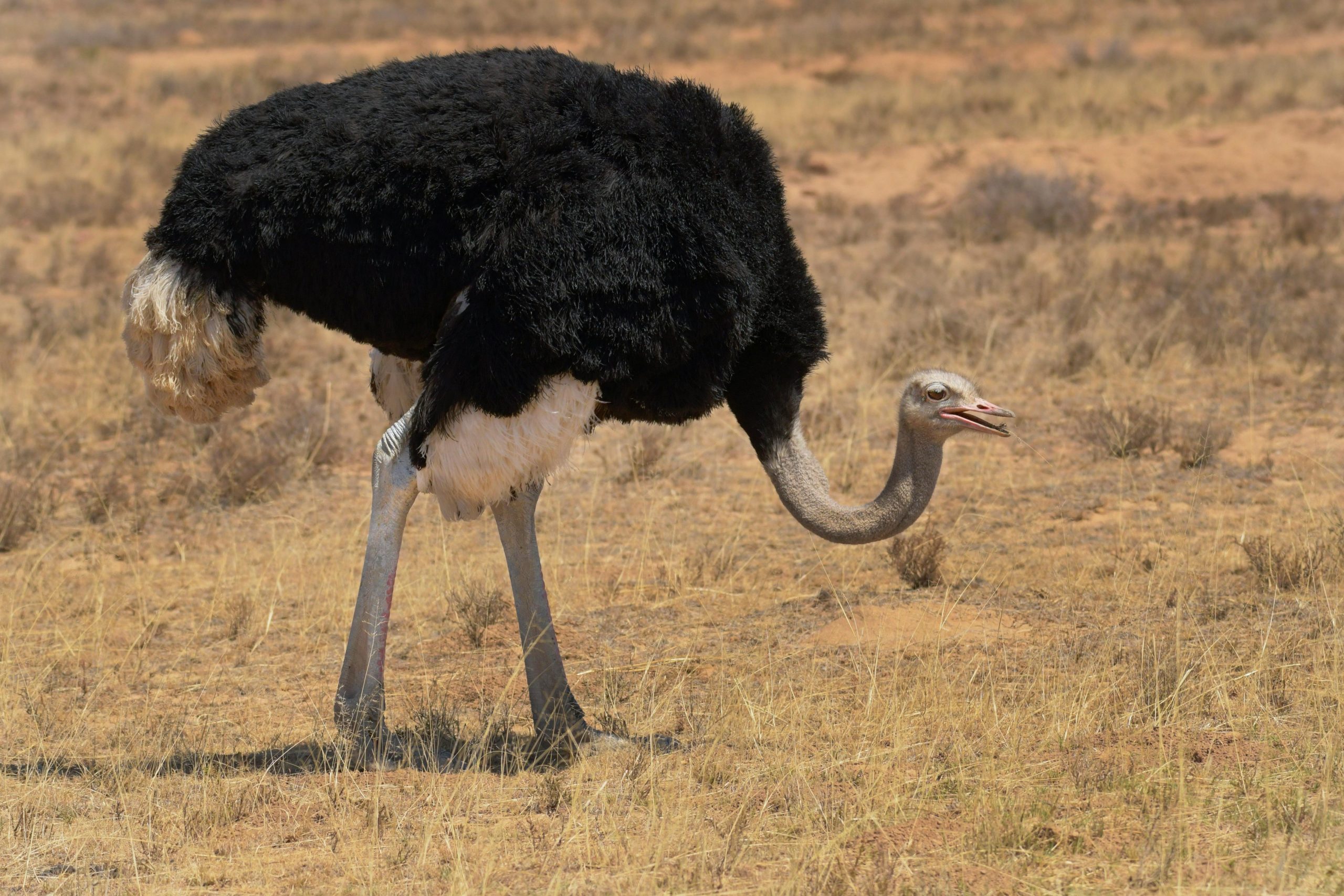
Debunking Myths: Do Ostriches Really Bury Their Heads in the Sand?
When it comes to curious behaviors in the animal kingdom, ostriches have been the subject of one of the most enduring myths. Many of us have heard the saying that ostriches bury their heads in the sand when they’re frightened or trying to avoid danger. This peculiar image has pervaded popular culture for decades, leading many to wonder about its validity. In this post, we’re going to explore the realities of this myth, what ostriches actually do when threatened, and why understanding animal behavior is essential. So, let’s dive into the fascinating world of ostriches and put to rest the question: Do ostriches really bury their heads in the sand?
Introduction to Ostrich Behavior
Ostriches are the world’s largest and heaviest birds, native primarily to the African savannah. They’re known for their impressive speed, large eyes, and unique approach to dealing with threats. Most importantly, ostriches are interesting because they exhibit behaviors that are often misunderstood or misrepresented. Debunking myths about such creatures not only satisfies our curiosity but also enhances our understanding of the natural world.
The Origin of the Myth
The myth that ostriches bury their heads in the sand likely stems from their actual defensive behaviors. When ostriches feed, they often bend down to pick at the ground, eat plants, or drink water. From a distance, it might appear as if they are burying their heads in the sand, especially if observed from afar by early explorers or locals.
Another contribution to this myth could be the ostrich’s defensive behavior known as “lying low.” When threatened and unable to run (their usual first line of defense), an ostrich might lie down flat with its neck and head stretched out along the ground. This behavior might make the head less visible against the terrain, giving an observer the mistaken impression that it’s buried.
What Do Ostriches Really Do When Threatened?
When it comes to survival strategies, ostriches primarily rely on their speed. These birds can sprint up to about 70 kilometers per hour (43 miles per hour), making them one of the fastest land animals over long distances. This incredible speed, combined with their keen eyesight, usually allows them to spot predators like lions and hyenas from afar and make a quick getaway.
If running is not an option, ostriches might resort to other defensive tactics. They can deliver powerful kicks, capable of injuring or even killing a potential predator. These kicks are their real line of defense, along with their attempts to camouflage or lie low, as mentioned earlier.
FAQs About Ostrich Behaviors
Q: Why do ostriches eat sand and pebbles?
A: Ostriches consume small pebbles and sand because these gritty materials help them grind up food in their gizzard, a specialized stomach that is effective in breaking down hard materials like seeds and tough vegetation.
Q: How good is an ostrich’s vision?
A: Ostriches have excellent vision. Their large eyes can spot predators from great distances, which is crucial for early detection and quick escape.
Q: Do ostriches have any natural predators?
A: Yes, adult ostriches are preyed upon by top predators like lions, leopards, and cheetahs. However, their eggs and young are more vulnerable and can be targeted by a variety of predators including birds of prey and hyenas.
Q: How fast can ostriches run, and why do they run in a zigzag?
A: Ostriches can run at speeds of up to 70 km/h. The zigzag pattern, often observed when an ostrich is escaping predators, helps to confuse or evade their attackers, making it harder for the predator to capture them.
Conclusion: Busting the Myth
So, do ostriches really bury their heads in the sand? The clear answer is no; this is just a myth. Instead, what looks like an act of burying their head is either an ostrich feeding or attempting to camouflage in the face of danger. Understanding these behaviors helps us appreciate the complexity of these fascinating birds and reminds us of the importance of verifying facts before accepting them as truth. In debunking myths like this, we not only learn more about ostriches but also encourage a more informed and respectful approach to the incredible diversity of the animal kingdom. Next time you hear someone mention that ostriches bury their heads in the sand, you’ll be able to share the truth behind this charming myth.